Term For Carpet Thickness

How To Measure Carpet Thickness Carpet Measurement Carpet Thickness Carpet Padding

Here Is A Quick Trivia On Real Estate When You Are Talking To Your Builder You Are More Likely To Hear Words Like Carpe Urban Tree Infrastructures Built
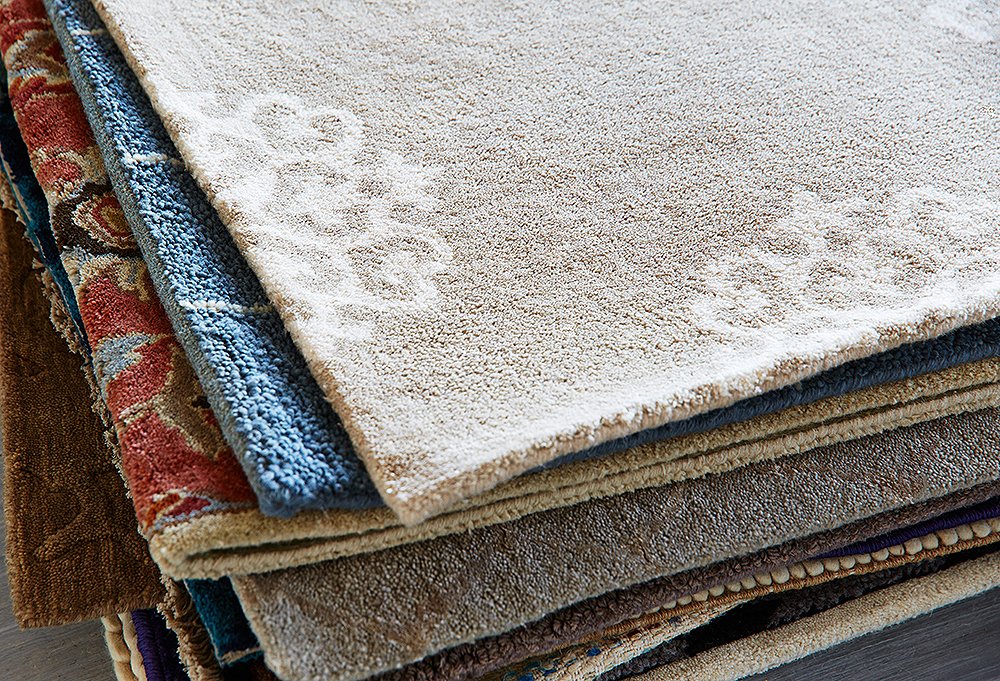
Rug Guide The 5 Things To Know About Rug Pile One Kings Lane

Pin On Carpet Flooring Ideas

Anova For Carpet Thickness Changes After Short Term Loading 2 Hr P Download Table

Yarn Wool Topic Eyfs Medium Term Plan Learning Stories Eyfs Eyfs Activities

Padding that is too thick or thin can cause the carpet to wrinkle buckle separate and wear prematurely.
Term for carpet thickness. Carpet face weight is defined as the weight of the carpet pile per square yard of carpet measured in ounces. Today however it is most often used to describe installed broadloom. The ability of carpet to spring back to its original texture and thickness after being walked on or compressed by the weight of furniture. Rows or wires similar to stitches per inch tufted carpet in woven carpet this is the number of pile yarn tufts per running inch lengthwise.
Carpet designation for a soft floor covering fabric. Together they are key factors in your carpet s look and feel and they also influence its resilience and durability. Generally thicker is better but when you hear of denier it s actually because the carpet has a thinner denier. The term refers to the weight of the carpet s fibers only not the backing material.
Chenille a soft silk cotton or worsted yarn fabric with a thick pile. In some instances improper pad thickness voids the carpet s warranty. The word carpet has been used interchangeably to describe a wall to wall installed product or a rug which is not fastened to the floor. Typical nylon carpet fiber has 6 22 denier.
It should not be confused with the carpet s total weight which is the combined weight of the pile plus the backing. Carpet density is basically a combination of height and thickness. Denier or fiber denier a direct yarn numbering measurement it is the weight in grams of 9 000 meters of yarn. The basic material with which carpets are made.
Therefore the higher the denier the larger the yarn. This thickness of a fiber can be regulated by the size of the openings of the spinneret. Thinner denier makes carpet softer.

A2z Rug Pera Shaggy Luxury Super Soft 5 Cm Pile Thickness 120 X 170 Cm 39 X 56ft Plain Silver Grey Sha In 2020 With Images Small Area Rugs Home Decor Home Decor Shops
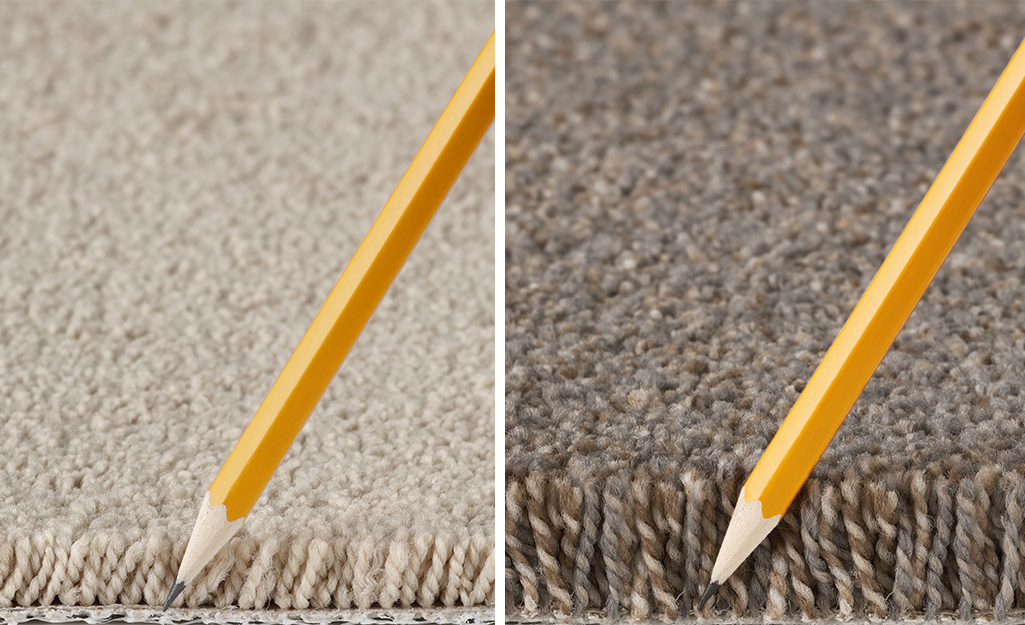
Types Of Carpet The Home Depot

A Rug Knit Rug Bedroom Carpet Diy Rug
Pin Em Rugs

Pin On Maison Clf

Allstar Modern Thick High Pile Rug High Pile Rug Rugs Area Rugs

Rugs Home Furniture Diy Ebay Black And Grey Rugs Gray Rug Living Room Carpet Design

Flachgewebe Teppich Handira Azrou Mit Bildern Teppich Flachgewebe Textilien

Unique Foundations 8 9 X12 1 Sari Silk Khotan Rug Gold Handmade Foundation Khotan Rugs Rugs On Carpet

Antique Chinese Peking Rug Asian Rugs Rugs Rugs On Carpet

Allstar Geometric Cube Thick High Pile Rug Tapetes De Area Tapete De Pompons Tapete Quarto

Sable Peshawar Rug 4 X 6 Rugs Tapestry Indoor Rugs

Antique Tabriz Red And Blue Wool Persian Rug Persian Rug Rugs Red And Blue

