Vinyl Caulk Vs Silicone Caulk

Ge Silicone 1 10 1 Oz Clear All Purpose Silicone Sealant Caulk Ge012a 12c Silicone Caulk Caulk Sealant

How To Remove Old Caulk From Bathtub Like A Pro Caulk Silicone Caulk Bathroom Caulk
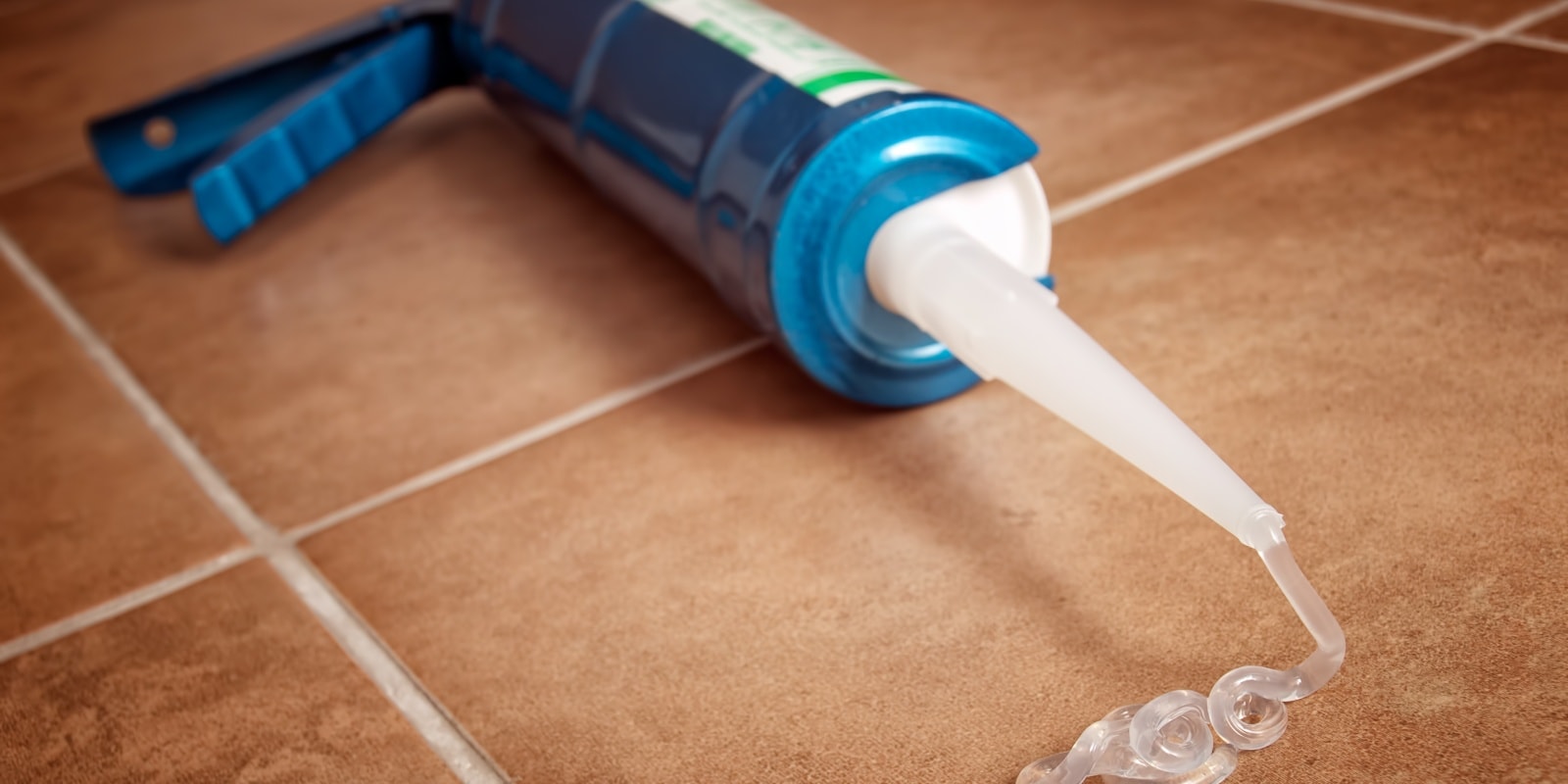
Polyurethane Vs Silicone Caulk Waterproof Caulking Restoration
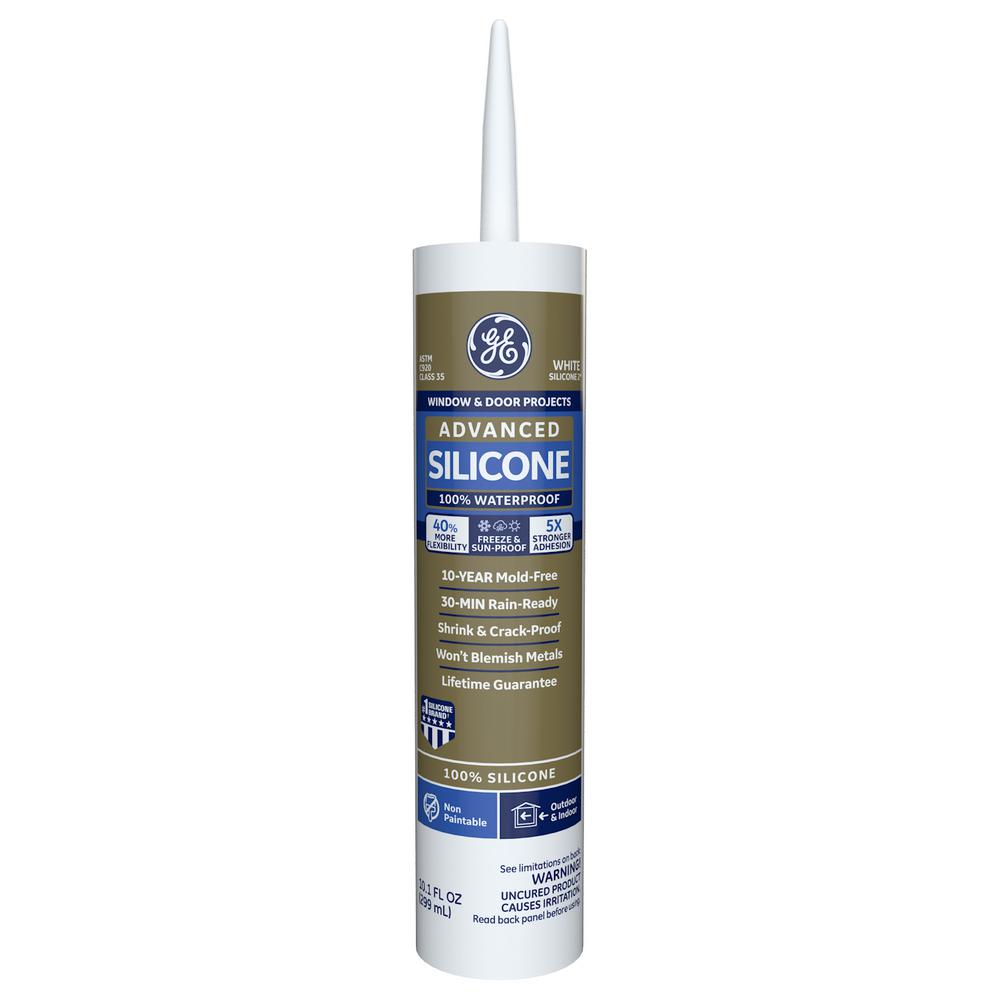
Ge Advanced Silicone 2 10 1 Oz White Window And Door Silicone Sealant Caulk Ge5010 12c The Home Depot

Dynamic 05000 9 8oz Clear General Purpose Silicone Caulk Tools4flooring Com

Caulking
These products offer the ease of use of latex with the added durability of silicone.
Vinyl caulk vs silicone caulk. This type of caulk is harder to install because of its sticky nature and cleaning up mistakes is not easy. Ge silicone caulk is made from 100 silicone which is chemically cured once it is applied and provides a permanent solution to whatever projects you use it for. Acrylic caulk and silicone caulk have very different qualities and are designed for specific purposes. Caulking can be applied to seal cracks in painting applications for prevention against moisture and lastly to insulate against cold air coming into a house or hot air from leaving a house.
Silicone caulk is flexible and works well in joints that have movement. A cartridge and caulk gun give a more continuous bead than a squeeze tube which is better for small projects. Silicone is a material that is found in adhesives caulk and sealants. It is the perfect product to use when caulking kitchens bathrooms and other plumbing jobs and will keep water out of the areas it doesn t belong.
Caulk comes in two forms. Caulk dries quicker than silicone and it shows good resistance to weathering but it s less tolerant to movement than silicone based sealants. Silicone caulk is expensive but worth the cost due to its flexibility and long life. Caulk and silicone are fairly equal in strength but they differ in the fact that caulk hardens into a rigid substance while silicone remains more flexible.
Pure or 100 silicone is the premium caulk for jobs exposed to water. Painting over this type of caulk can not be done. Cartridges typically have 9 to 11 ounces of caulk versus a squeeze tube which has 3 to 6 ounces. Caulking has many applications and these products are designed to meet these separate needs.
The material does not yellow over time and has high resistance to oxygen ozone and uv light. Unsanded caulk may not adhere as well as sanded caulk to wet surfaces and sanded grout. The only big downside is that it s not paintable. Use of caulk vs.
Caulk is designed to be used in areas where there will be little expansion and contraction like around your bathtub. A cartridge or a squeeze tube. Latex caulk and silicone sealant typically dry to the touch within 30 minutes but they can take up to 24 hours to completely cure and be fully waterproof. Most formulas are mildew resistant and have inhibitors to slow discoloration but all caulk gets ugly over time.
Silicone caulk lasts about 30 years. Pure silicone caulk. Recently we told you about filling the gaps around the picture rail in our bedroom and redoing the silicone seal around our bath you can read about it here and here. There is a huge selection of different sealants available and choosing the right one can be difficult.

Sign In Caulking Tips Handyman Projects Caulking

Acrylic Caulk Vs Silicone Caulk With Images Caulking Silicone Caulk Caulk

This Is Supposed To Be The Best Adhesive For Glass Garden Flower Plates Ge 9 8 Oz Clear Silicone Win Glass Garden Art Glass Garden Flowers Glass Plate Flowers

No Slip Carpet Fix Rugs Slipping Diy Rug Rugs

Ge Se11 Silicone I 299ml All Purpose Window And Door Caulk Caulk Vinyl Siding Silicone Caulk

Pin On Home

Pin On Kitchen Renovation

How To Fix Cracks In Cement Block With Polyurethane Caulk Ehow Cinder Block Walls Cement Blocks Polyurethane Caulk

Ge Supreme Silicone 10 1 Oz White Silicone Caulk Want Kitchen Vinyl Flooring Bathroom Bathroom Vinyl Und Vinyl Flooring
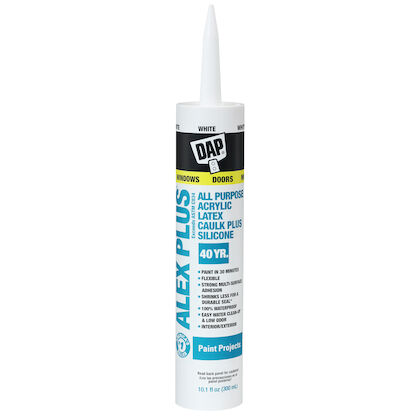
Alex Plus All Purpose Acrylic Latex Caulk Plus Silicone
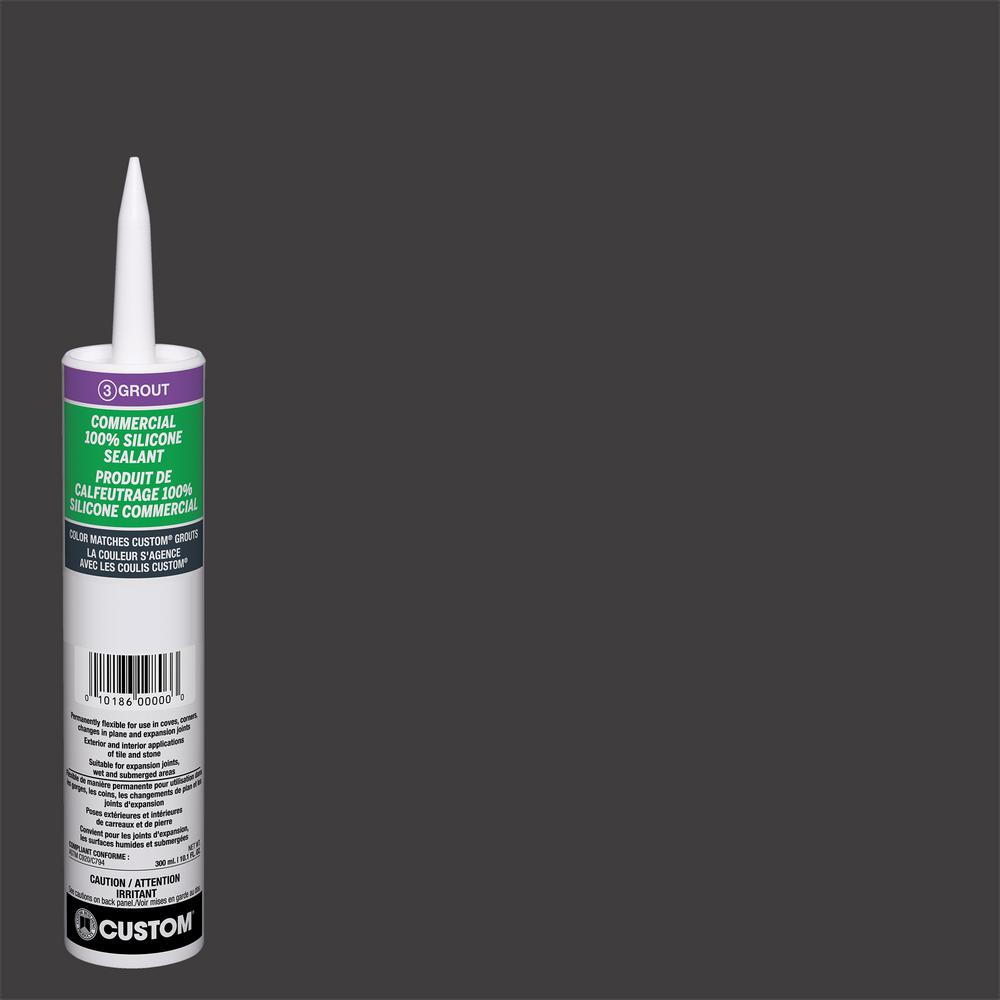
Custom Building Products Commercial 60 Charcoal 10 1 Oz Silicone Caulk Ccsc60 The Home Depot

If You Re Working With Trim Or Wainscoting You Need Caulk Use These Caulking Tips To Get A Beauti Home Improvement Projects Home Repairs Diy Home Improvement

Pin On Painting Tips

